Blog Feed

Type 1 and Type 2 Diabetes – What’s the Diff? (Part 2)

Last week we discussed the basic pathophysiology of type 1 diabetes (T1). This week, I will provide a brief overview on type 2 diabetes (T2). 

Type 2 diabetes is typically characterized by insulin resistance. When T2 is diagnosed, the person is typically still making a decent amount of insulin; the problem is that the body isn’t using the insulin effectively, so blood glucose (BG) rises. Insulin isn’t being used effectively most often due to excess adipose tissue (fat). This right here is insulin resistance. Think of it as the body’s way of refusing to use the insulin it makes properly. 

Risk factors for T2 include a family history of T2, a sedentary lifestyle, a sloppy diet, hypertension (blood pressure), hyperlipidemia (cholesterol), hypertriglyceridemia (fat), CVA (stroke), atherosclerosis (artery hardening/plaque build up), pretty much any other cardiovascular disease, obesity and race. When someone meets criteria for metabolic syndrome, we know that they are at a high risk for developing T2DM. I’ll put a link to the Mayo Clinic’s write up on metabolic syndrome; I love their website, because they describe disease processes in layman’s terms, so it makes it easier for the average person to learn and understand. Regarding risk factors – genetics play a huge role in the onset of T2, much more so than in T1. If the individual has a mother, father or grandparent with T2, they are likely to inherit the disease if they are not mindful of lifestyle choices; when they are mindful, they may still get it. I want to point this out – even if an individual is not overweight or doesn’t have an elevated BMI, is active versus sedentary and eats well, they may still get T2 because of their genetics. That sucks, yes. So be mindful to assume that T2 is a disease that only manifests itself in overweight persons. On the flip side, someone may be significantly overweight their entire life and never develop T2; this is likely because they do not have it in their genetic code. You can see how closely T2 is linked to our genes, right? In addition to genetics, the risk factors discussed above further increase a persons’ risk. 

T2 is characterized by a number of modifiable risk factors. This is easier to understand when we understand what risk factors cannot be modified; genes and race are risk factors that cannot be changed. However, modifiable risk factors for T2 include diet, exercise/activity level, tobacco use, etc. So, the really cool thing with T2 is that, even if you’re destined to get it due to genetics, you can thwart the diagnosis for years if you are careful. This is badass, because the longer you can defer the diagnosis, the less time in your life you spend at risk for the health problems that accompany a diabetes diagnosis.

Let’s circle back to insulin resistance. Once someone has been diagnosed with T2, ideally treatment begins. There is an entire algorithm (as a CDE, I refer to the American Diabetes Associations’ (ADA) or the American Association of Clinical Endocrinologists’ (AACE) recommendations for treatment) that can guide clinicians on treatment of diabetes. Where the individual falls on the spectrum with their A1c, comorbidities, independence with medication administration and motivation to change all influence treatment. Diet and exercise are always part of the immediate and long-term treatment program. Maybe you’re tired of hearing about diet and exercise? We focus so much on this though, because especially in T2, they make a world of difference. For some, lifestyle modification can negate the need for medication. Let’s say we have an individual with an elevated BMI; she is 5’4” and weighs 205 pounds and carries most of her excess fat in her core (common in metabolic syndrome and T2). Her A1c is 8%, and she’s diagnosed with DM. Immediately, she starts walking for 30 minutes five days a week; she make one small change to her diet – she cuts her Pepsi consumption from three cans a day to one can a day. Three months later, she has lost 22 pounds and her A1c is down to 7.2%. How did she do this with no medication? She is demonstrating a reduction in insulin resistance. Her body simply became more responsive to the insulin she is making. When we have excess fat, our body doesn’t always use the insulin it makes as efficiently as it once did; with less weight, there is less insulin resistance. This is not how it always goes, however I’m simply trying to define insulin resistance as well as demonstrate how impactful diet, mobility and eventual weight loss can affect the need for medication in T2. Most often, the individual is started on medication and if a healthier lifestyle ensues, medication doses may eventually be reduced. I never tell a patient they “can get off of medications”. Insulin resistance cannot always be improved; furthermore, diabetes is a progressive and chronic disease, and insulin productive will slow over time regardless. Oftentimes a person with T2 will wind up on insulin; contrary to what many think, this does not make them T1. A person with T2 that is insulin dependent still has T2DM.

You’ll notice in my writing that I use words like typically, most often, usually, most of the time, etc. – this is because there are no absolutes in diabetes. If you are an individual reading this that does not fall into the “usual” group, I hear you. I understand that there are always outliers.

To circle back to the post last week, I hope that I’ve done a decent job of comparing T1 to T2. Please leave me comments or questions to let me know what you think!

Happy New Year,

Kel

https://www.mayoclinic.org/diseases-conditions/metabolic-syndrome/symptoms-causes/syc-20351916

Type 1 and Type 2 Diabetes – What’s the Diff? (Part 1)

For a long time I have held the belief that type 1 (T1) diabetes should have a different name. “Diabetes” as our country knows it is mostly type 2 (T2). And truthfully, it makes sense; 90-95% of the diabetes population in the United States has type 2 diabetes. So it isn’t surprising that most people don’t know the key differences between T1 and T2. The thing is though – they are so very different! My personal opinion is that the general population, as well many clinicians, would have a better understanding and awareness of how each disease was alike yet unalike if they had different names.

Let’s start with T1, because well….#livinthattype1life. T1 is characterized by an absolute loss of insulin. What makes insulin, you ask? The beta cells! Beta cells within the pancreas secrete insulin and release it into the blood stream as needed, typically in response to the presence of glucose. In T1, there has been an autoimmune attack; the beta cells have been destroyed. Beta cells are little miracle workers, and when they cease to exist, the effect is devastating. It is widely believed that something environmental (like a virus) causes the body to attack itself. The arena of research on T1 is vast and growing rapidly; we are not always certain of the cause or precipitating factor for the onset of type 1, but we know the result is an irreversible insult to the immune system.

In the early part of diagnosis, the individual with T1 may experience a “honeymoon” phase; this honeymoon period is marked by some insulin production. You can understand why this might be associated with something seemingly positive like a honeymoon – there are a few beta cells left, and they are producing some insulin. But – do not be fooled! These beta cells are not producing enough insulin to sustain life; the individual would likely enter DKA were it not for supplemental exogenous insulin (insulin from a source outside the body). In my experience, people use the honeymoon term a little too loosely; the only real way to confirm one is actually honeymooning is by measuring insulin production; this can be done through simple lab-work.

So with this eventual total loss of insulin production, the glucose in the blood stream has no where to go. Normally, insulin enters the blood stream, swoops up the glucose and takes it into the cell to be used as energy. So, in T1, we’ve got to provide exogenous insulin to get that glucose where it needs to go. Are you starting to see why glucose variation happens so easily in T1? The insulin dose has to match the amount of glucose exactly in order to have a “normal” blood sugar result. Unlike T2, there is no endogenous insulin to supplement and assist this process of blood sugar normalization. The only readily available treatment for T1 diabetes is insulin in the form of multiple daily injections from an insulin pen or vial or an insulin pump; again, I stress that insulin is the only treatment option. If you encounter someone claiming to have T1DM but they are not on insulin, they are not T1, unless they fall into the very small group of individuals that have undergone pancreatic transplant or are part of a research project that is studying alternative treatments. Research is looking at all sorts of treatment options, but they are still being studied and available to a limited few (I am particularly excited about stem cell research related to beta cell regeneration!).

Let’s briefly discuss insulin resistance, which is a topic that will be heavily discussed in the next post comparing T2 to T1. Can a type 1 experience insulin resistance? Yes! The topic of insulin resistance in T1 should be a separate post in and of itself; briefly, as an example, the higher the blood glucose is, the more resistant the body is to insulin. To simplify – basically, my body responds quickly and drastically to even a quarter of a unit when my BG is 100; that quarter of a unit won’t do shit when my BG is 300. There are numerous ways in which the T1’s body can face insulin resistance; certain foods, types of exercise and illness can precipitate an increase in insulin resistance.

That pretty much breaks down the patho of T1. This is certainly not an all encompassing explanation, though. The processes happening at the cellular level are so intricate and incredible. This here is intended to be a down and dirty description of what’s happening in T1. The next blog post will be on T2 pathophysiology. 

*You’ll notice in my writing that I use words like typically, most often, usually, most of the time, etc. – this is because there are no absolutes in diabetes. If you are an individual reading this that does not fall into the “usual” group, I hear you. I understand that there are always outliers.

Cheers,

Kelly 

Sex & Diabetes.

You guys know I’m always keepin’ it real. When it comes to living with diabetes, sex is a pretty important topic, and we’ve got to talk about it. It’s an even more important topic if you’re in an ongoing relationship with someone that you’re recurrently having sex with.

Men and women with diabetes are at risk for some of the same sex-related issues, but each group also experiences a few unique challenges. The most important thing to remember when learning about how diabetes affects your time in the bedroom, whether you’re male or female, is that it all comes down to blood sugar regulation and management. Time and time again, evidence has shown us that diabetes complications are significantly reduced when blood sugars are managed over time (yes, sexual disturbances are considered a complication of diabetes).

Let’s discuss the issues that affect both sexes.

  1. Mental health is a huge one; diabetes and depression are very closely linked. In fact, a large majority (wish I knew the current stat) of people with diabetes experience either depression or diabetes distress at some point while living with diabetes. I 100% fall into this category. The connection here between depression and sex is simple – most people that are clinically depressed experience minimal motivation to do much of anything. Depression is characterized by poor appetite, weight loss, reduced motivation, fatigue/lack of energy and a reduction in hope or feeling worthwhile. Don’t know about you, but none of that screams, “I want to have sex!”
  2. On the blood sugar topic, fluctuating blood glucose (BG) will greatly impact an individuals’ energy level; if you’re anything like me, one low (about 55mg/dL or lower) or one high (about 250mg/dL) and my energy is zapped for the day, even when I’m back in range. I personally think fluctuations take more out of us than anything. And when we’re feeling this shitty, sex isn’t on the forefront of our minds. 
  3. Side effects of medications. This isn’t specific to just people with diabetes or diabetes medications. A lot of medications have the side effects of fatigue or stomach upset. I think of Metformin specifically when I think about a diabetes medication that many, many people experience side effects with. Nothing about diarrhea screams sexy to me!
  4. Diabetic neuropathy is characterized by numbness, pain and/or lack of sensation to an area caused by nerve damage; it’s a diagnosis we commonly associate only with lower extremities. But diabetic neuropathy has the potential to affect all of our organs. For example, gastroparesis is a condition often caused by an insult to the nerves in our intestines as a result of poorly managed BG’s. Our genitals are no exception; reduced or poor blood flow significantly impacts how our sexual organs perform. (Side note: look up autonomic neuropathy – it’s fascinating.)

When it comes to sex, the two biggest issues affecting men that have diabetes are erectile dysfunction (ED) and reduced testosterone levels. I didn’t know until today – close to half of all men with diabetes experience ED at some point during their lives! Wow. 

For women, vaginal dryness tends to be a very common side effect of diabetes. Women with diabetes also tend to have more vaginal infections, including UTI’s, than women without diabetes. 

So, wow, this is a lot to digest, right? This is a really important topic to discuss, you guys. The more we talk about these issues as medical professionals and human beings, the less people with diabetes will feel frightened to talk about them. I did not look up the research on this, however I can guarantee that many of the aforementioned sexual issues go unaddressed because the person with diabetes does not feel comfortable speaking up to their partner or their physician about what they’re experiencing. That makes me sad, because there are ways to fix or help these issues!

What are the ways?

  1. Lube. Lubricant is your friend! Firstly, people with and without diabetes use lube. There is nothing to be embarrassed about here. Using lube will make sex more enjoyable for you as well as your partner. Hopefully, it’s a no brainer. 
  2. Communication is key. This should have been number one, actually. If you’re a person with diabetes experiencing a disruption in your sex life that you think is related, set aside time (when you are not about to get it on with your partner) to discuss any issues you might be having. If you are a partner of someone with diabetes and you suspect there might be an issue – my advice is the same for you – bring the topic up when you are not about to engage in sexual activity. 
  3. Manage your blood sugars. This is key. I wish I could emphasize how important this piece is. Now, do perfect blood sugars guarantee no sexual issues? Of course not! This is diabetes, you guys! This disease will always throw a wrench at you and find a way to one-up you! However, your chances of having issues is drastically reduced. It’s just like any other complication – I get my eyes checked every year and have “no signs of diabetes in my eyes”, but because I have diabetes, I still run the risk of having diabetic retinopathy some day. It’s just the messed up reality of having diabetes. 
  4. Hormone replacement therapy (HRT). I am no expert on this. Talk with your physician. If you’re unsatisfied with the response, seek a second and third opinion. 

To end things on a light note, I’d like to mention the very un-harmful, yet totally awkward, complication of wearing an insulin pump during an intimate sexual experience. I used to wear a tubed pump (meaning it was the kind of insulin pump that had a tube that connected my body to the device). You’d be hard pressed to get me to tell you that part of the reason for wearing an Omnipod wasn’t because it didn’t have a tube. When I was on a tube, it was somewhat…awkward…unromantic…during that moment when I no longer had clothes on and my pump was just…there, hanging. Needless to say, my hubs did have to learn how to remove the pump! For those of you on a tubed pump: teach your partner how to remove it when necessary! 

Hit me up with any issues/questions/concerns you have!

Cheers,

Kel 

Grateful.

In the spirit of Thanksgiving, I’d like to give thanks for my endocrinologist. Yes, I am sure that sounds silly. But to me, an endocrinologist is one of the most important people in the life of someone with diabetes. Diabetes is a chronic illness. We tend to classify disease as acute or chronic; chronic literally means “constantly recurring” or “persisting for a long period of time”. Acute, on the other hand, tends to imply something that needs urgent attention. Chronic illness can have acute exacerbations, and diabetes is no exception to this.

Having a chronic disease usually implies that you have a medical professional overseeing the illness on a consistent basis (I understand this is not the reality for many with diabetes, and I will address that in another post). Finding an endocrinologist that you vibe with (and I’d imagine this is the same for any illness) is no easy feat. I’ll never forget when one of my first endos promised me that there would be a cure within five years (I was 15 at the time). I have never forgotten this promise. Even as a mature, 32-year-old woman that understands we’re years out from a cure, I cringe when I think of that unfulfilled promise. So many of us treat the word of our physicians as gold. It’s my personal belief that most providers do not fully understand the power that they have. Maybe they understand their prescriptive power or ordering power, but the impact they make on human beings is vastly under-recognized, in my opinion. I am certain the aforementioned physician has no idea what a lasting impact an ignorant statement like that had. To my point – it is difficult. 

My endocrinologist, like my therapist, knows things about me even the best of my friends don’t. There are numerous things that set her apart:

  1. See above. She’s the opposite of what the second paragraph described.
  2. She isn’t just an endocrinologist overseeing just my diabetes. From day one, she has looked at the entire picture. She starts off each visit with, How are you? Wanna know the crazy thing? I know she means it. She has been a part of significant life events – nursing school, a major break up, an infection, a serious family event, a new relationship, a bout of depression, a new dog, a marriage, you name it. She remembers all these things when we meet to talk about my diabetes. 
  3. She knows that she is smarter than me, but she still acknowledges that I’m smart. She respects my knowledge, and she respects that I’m the one living with the illness. She doesn’t pretend to know what it’s like to have T1; ironically, that makes her more relatable. She always wants to know what I think. She fully understands that I (as does any patient) have to believe in the plan in order to carry it out once I leave her office. She respects my knowledge and backs up everything she says with evidence. One of my most favorite things that she does is go to the computer when I ask her a question – she always pulls up an article to answer my question and back up her answer. I love evidence, and she understands this.
  4. She is hands on. She knows how to use my devices. Whaaaaaaat? Previous experience tells me this is not common. She interacts with my devices and with my data. She isn’t afraid to push buttons, ask questions, read reports, look at trends. She makes an office visit actually worth the time I take to drive 70 miles. She isn’t just running an A1c. 
  5. She’s human. She knows she isn’t God. She isn’t dramatic. She’s confident in her practice, and that instills confidence in me. She isn’t afraid to say she doesn’t know something. She hugs me at the end of my visit, and I tell her I love her. She is an amazing physician.

Dr. McGarvey is the best damn doctor I’ve ever had. It’s an honor to have her on my team and to be able to share the intricacies of my disease (a.k.a. my life) with her.

Diabetes is a mother fucker, and some days I hate it. There are a few people that makes this daily, uphill battle a little bit easier, and I’m eternally grateful. 

World Diabetes Day.

November is Diabetes Awareness Month, and today, November 14th, is World Diabetes Day (WDD). So, why all the fuss? It seems there’s a holiday for everything now-a-days…National Milk Day, Kiss a Ginger Day, National Selfie Day (WTF, get a life), National Inner Beauty Day, National Cheese Day (okay, this is one I can get behind)… there is a day for virtually everything, so I get why it might be hard to take WDD seriously. 

WDD was around before making everything into a holiday was trendy. WDD was established in 1991 by the International Diabetes Federation and the WHO (World Health Organization). Okay, so why November 14th? This day marks the birth date of Frederick Banting, who is one of the two gentleman that discovered insulin back in the 1920’s!

Before insulin was around, a type one diabetes diagnosis was a terminal diagnosis. People got sick, went into DKA and died. That was it. There’s this classic black and white photo of one of the first children treated with insulin; he is grossly malnourished, reportedly in DKA and on deaths’ door; he received insulin, and fast forward to a few months later – he was a completely different looking kid – healthy and plump. 

People, including myself, use the phrase “I couldn’t live without (insert object/person/activity)” so flippantly; most of the time when we use this phrase, we truthfully can live without it. It’s different here – I would not be alive without insulin. I hate saying it, and I hate writing it. It is one of the scariest things for me to think about. My life is dependent on a medication, and this dependence is such a challenge to my ego and to my incessant need for control. I often think about natural disasters, being stranded, insulin pump failure, closed pharmacies and the like; anything that threatens my ability to have access to insulin is terrifying and threatens my sanity. 

Fears and egos aside…how blessed and lucky am I? To be lucky enough to have a refrigerator full of Humalog vials. To live in a time when there is not just one option for insulin treatment, but many. To imagine that insulin has been around for less than 100 years is actually unimaginable to me. 

Mr. Frederick Banting and Mr. Charles Best – I owe you my life. 

You have diabetes? But you’re skinny!

This blog post brought to you by my massage therapist: “Yea, it’s so weird, you and my uncle both have diabetes, AND you’re both skinny!”

The conversation is inevitable; I get massages frequently, and of course, my pump and CGM are visible. I tend to stick to the same few massage therapists so that I am not constantly explaining that I’m not a robot and you can touch the devices without something blowing up. People are typically very afraid of touching or hitting my device mistakenly. You really can’t do them much harm by grazing your hand past them. I love talking about diabetes in almost all circumstances; one circumstance that I do not want to feel obligated to provide education is when I’m trying to relax doing something like a massage… so, I bite my tongue, respond minimally, and try to get back to my zen… 

New flash: skinny people get diabetes, too. Like many, my massage therapist views diabetes as a fat-persons’ disease. While diabetes is associated with obesity, this is not the whole story, and it represents a poor understanding of the disease. 

Years of research has led to the discovery of multiple types of diabetes – not just type one and type two. However, for our purposes, and for purposes of standard classification, diabetes typically falls into one of three, maybe four, categories. They are: type one diabetes (T1DM), type two diabetes (T2DM), gestational diabetes (GDM) and either medication or procedure induced diabetes. If you’re trying to wrap your head around the medication/procedure induced diabetes – think of someone on chronic steroids that already has insulin resistance or other risk factors that put their blood glucose into the pre-diabetes or diabetes category. Medical procedures like the Whipple can cause diabetes. There are numerous other circumstances – the preceding are just a few examples. Onward… 

Let’s discuss the thought process that is standard in most peoples’ head about how you “get” diabetes. In my experience, very educated individuals, even those in the medical field, are often misinformed about the differences between T1 and T2. T2 accounts for 90-95% of the diabetes in our country; naturally, people know the most about T2. There are numerous risk factors for T2; genetics play a large role. Lifestyle plays a larger role in the onset of T2 than in T1. Diet and exercise (the lifestyle piece) are two of the most modifiable risk factors for T2. That’s why we put so much emphasis on diet and exercise when we discuss diabetes prevention. Individuals with T2 often already have one or several cardiovascular comorbidities like hypertension, hyperlipidemia or hypertriglyceridemia. T2 and cardiovascular health go hand in hand, because cardiovascular health is largely determined by lifestyle as well. Therefore we circle back to a few of the same risk factors for each of these diseases. Make sense? At diagnoses, many are overweight, which is typically defined by having an elevated BMI. Here is where the assumption that everyone with diabetes is “fat”. There are so many T2 risk factors to discuss, but I cannot fit it all in here. I’ve touched on diet and exercise primarily because those are the risk factors that relate most to what the topic here is. 

T1 is super complicated. Research is developing in this area, and I am certainly not as on top of the research as I’d like to be. For the most part, T1 is thought to be an immune disease, which is much different than T2. We think T1 is caused by a combination of environmental factors. T1 is a disease in which the beta cells are attacked and destroyed (these are the precious cells that make the hormone insulin). Beta cell degradation in T2 is typically caused by insulin resistance, which is typically caused by excess body fat.

Can someone with T1 be obese? Sure! Can someone with T2 be thin? Sure! Nothing written here are absolutes. There are always exceptions. Also, regarding the above, I’d like to note that I am fully aware that cardiovascular health is determined by numerous other factors than just diet and exercise; the above was stated to reinforce the relationship between diabetes and heart health. I am attempting to write about these topics in ways that make them easy to understand, rather than focusing on some small details or outliers.

The interesting thing is that when T2 is diagnosed, the individuals are most times overweight. Ideally, diet and exercise are addressed and weight loss ensues. For the person that is diagnosed with T2 and is not overweight (yes, this DOES happen!), diet and exercise may not make as much of an impact as in those that have weight to lose. Follow me? Paradoxically, when T1 is diagnosed, the individual is often underweight, cachectic even. A classic symptom of undiagnosed or untreated T1 is weight loss, which is associated with ketoacidosis occurring in the body – a very dangerous condition that will lead to death without medical intervention. Once treatment begins, these individuals tend to gain weight! 

Hope this post was helpful! Hit me up with your questions!

I’m the expert?

This weeks’ post is not the typical weekly post my readers (all two of you) would expect, but it most definitely involves my personal journey… 

Friday was a monumental day for me. I had the honor of being a guest speaker at Sharp HealthCare’s Diabetes Conference; I spoke on insulin pumps, CGM’s and on living with type one diabetes. 

As one would expect, I was extremely nervous. The week before the event is when most of my anxiety hit me. I had been channeling my anxious energy into actually creating my presentation, and when that was complete, my mind was free to roam… 

Surprisingly, the event went off without a hitch, aside from my trembling voice the first three minutes of my talk.

Here are my hoorays for the week/event:

  • My husband. Once again he knocks it out of the park as my biggest supporter. He understands me well – he understands what went into preparing for this event and what this event meant to me. Because of this, he knew exactly how to support me leading up to it. Having him reach over and hold my clammy hand right before my name was called was probably the most meaningful show of support.
  • My friends are uh-maze-ing. The text messages, the photos, the phone calls, the in-person words of encouragement; each of you know who you are. I literally could not have gone into this a sane person without you ladies. I thank you from the bottom of my heart. I’d also like to mention that my amazing boss remembered me on this very special day as well. 
  • I am ecstatic over an opportunity like this. I never imagined having T1 would open as many doors as it has. The professional connections I have made because of how my disease has inspired me are numerous and astounding. I have many hopes that this event will open more doors for me.
  • The amount of individuals that approached me after my presentation to provide their comments was alarming to me for a few reasons… I was the last presentation of the day, so the fact that they stopped and waited to speak to me was humbling. The comments received all reminded me of what my husband had been telling me all along – I am the expert. I can and will speak to this disease in ways that most other educators cannot. I live it. I was so worried about impressing the medical staff in the room.
  • I hope that I make my fellow T1’s proud. I want to tell people about our life in a way that makes you go… yea, that’s exactly it. I don’t know it all, and I’m learning as I go, but damn, I just know I was put here to share my story and to use it to serve the diabetes community. 

Thank you to all of you. Thank you for letting me know how you feel about this silly little blog. Thank you for hearing my story and my rants. I am humbled in so many ways by all of you.

Til next time,

Kel 

https://www.sharp.com/diabetes-conference/diabetes-conference-speakers.cfm

Chips.

Chips. Tortilla chips, specifically. The bane of my existence. Why are they so delicious? And, why are they free? Does the free-ness make them more delicious and desirable? I’m pretty sure. Let’s start with the basics. In last weeks’ post we discussed carbohydrates, and we know that carbs are, arguably, the one thing that impacts blood sugar the most. Herein lies the problem. Chips are full of carbs. The bad carbs, too. We call them simple carbs, because they are broken down and digested so easily that they have an immediate and terrifying impact on blood sugar. 

Livin’ this diabetes life since 2001, I have had my fair share of attempts at defeating The Tortilla Chip. I’ve stared at many a chip bowl and vowed to myself, as well as the chips, that I would only eat “x” amount, and I would show those chips a big eff-you when my sugar is 120 afterwards. This never works. 

Sure, there are better things in life than chips. But there is something about those damn triangles that just get me. I’d also like to mention that the chips pictured here are from Chilis – my husband and I shared a fajita plate a few weeks ago, and he tops off his order with, “and I’ll have an order of chips and salsa”. Damn you, Danny, damn you! Also would like to mention that Chilis chips are not even good. They are barely strong enough to scoop a moderate amount of salsa, and they taste so blah. But, of course, they still got into my head. It started with the usual.. I’ll have ten chips, because I can reasonably count the carbs for those… and, again, as usual, that “ten chip” idea was out the window in 2.5 seconds. Cue the hyperglycemia. 

Tortilla chips are such a problem for me that I refuse to keep them in the house. Danny has to specifically ask for tortilla chips to be put on the grocery list or go get them himself in order for them to wind up in our panty. Even then, when he takes them out, he knows that he has to keep the bag on his side of the table. You think I’m kidding. My husband is the one person that has permission to question my tortilla chip consumption. He has seen the after-effects when the meter registers 250 and rising – the rage, the self-loathing, the tears, the overall way I beat myself up mentally after eating too many chips. That one meal I wanted to feel normal and not have to count everything on my plate.

My friend Lauren knows my love-hate relationship with tortilla chips all too well. We went to dinner; I arrived first. They brought the bowl of tortilla chips, and I asked them to remove them from the table. Problem solved. I should have kept it to myself. The mistake I made was telling Lauren when she arrived that I had sent the tortilla chips away. I’ve never seen rage in her eyes but for this one night. She, too, loves tortilla chips. I will never do that to her again.

One more story. Best friend Ashley and I go wine tasting all afternoon in Temecula; we had an amazing day. Someone had the genius idea to top our evening off at Rosa’s Cantina (RIP Rosa’s) in Old Town. Having been slightly (and by slightly I mean heavily) intoxicated, I consumed handful after handful of chips. No one knows how many. There were no attempts at counting chips this evening. Let’s just say that, in regards to diabetes self-management, this particular event was quite scary in retrospect; safe to say that, at this time in my diabetes journey, I was much less mindful of the dangers of situations like these. Alas, a fun evening that provides yet another piece of proof that tortilla chips and I can never co-exist…

I digress… where are your favorite tortilla chips from?

It’s carbs, not sugar, Moron.

The other day at work, a co-workers’ daughter brought in a beautiful spread of cookies. They looked delicious. My blood sugar had been running a little high all day, so I was trying to resist. Another coworker agreed to split a cookie with me. So I walked my happy ass over to the tray, picked one up, only to have a coworker behind me grab my shoulders saying, “Nooo, resist! You can’t eat that!” … (Yes, this person actually used the word resist.)

My friends know exactly how this made me feel. For those of you that have been lucky enough to avoid my rage in these type of moments, I will tell you first how I felt inside, and second how I responded. Inside – rage, fury, surprise, irritation. I (not as calmly as I wanted) informed this person, as well as everyone within a six foot radius, that people with diabetes are allowed to have sugar. 

Yes, you heard it here. We eat sugar. 

The person that made this comment is truthfully such a kind and pleasant and sweet person. She meant absolutely no harm – I know that. She is certainly not the first person to make a comment like this, so this post really has little-to-nothing to do with her.

People that have diabetes do not have to avoid sugar. Most of us/many of us choose to do so, because we understand how it impacts us. Those words are really important, because it all comes down to a choice. 

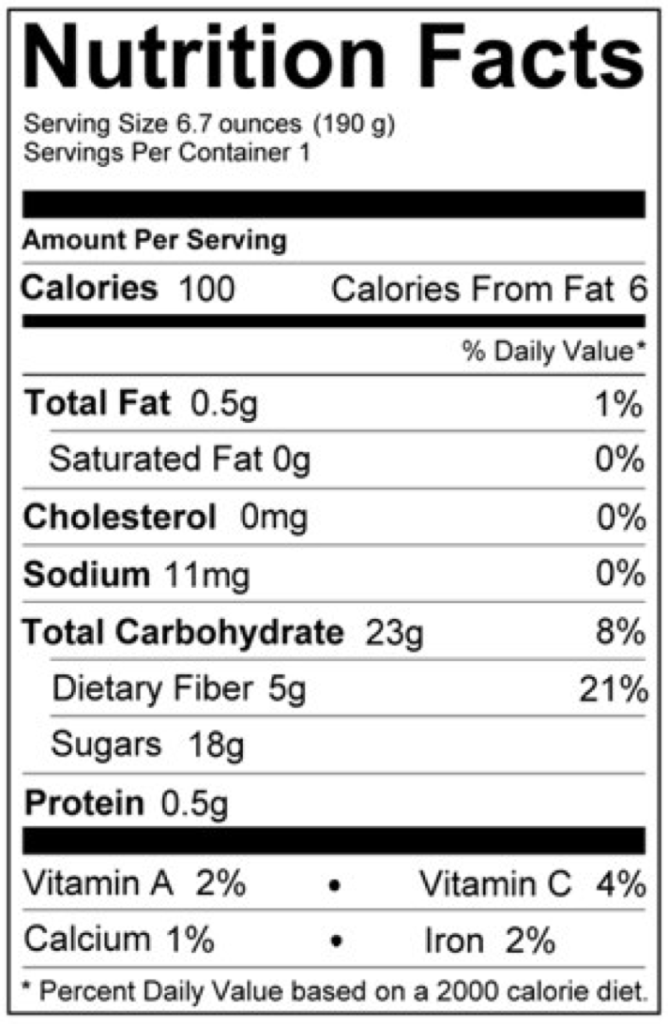
When it comes to the correlation between blood sugar and what we consume, it ultimately comes down to carbohydrates. When we bolus before a meal, it’s total carbohydrates that we consider above all. While there are many additional things we consider with our doses (type of carb, previous experience with this carb, etc, etc.), we won’t get into those details today. Sugar, sugar alcohol and fiber are all part of the total carbohydrate content. Take a peek-sy at a nutrition label. Do you see how sugars and fiber are indented underneath total carbs? That’s because they are part of the total carb count. So if you dose based off of total carbs, you’ve already accounted for the sugar (not necessarily for the fiber – we’ll discuss that in a later post). 

You may be thinking that the conclusion that I’m drawing here is that sugars don’t matter. And I’m sorry if this is confusing, because sugars do matter. We are allowed to consume them; virtually everything we eat has some sugar in it. Hell, fruit is full of sugar. Mind you, the most natural form; none the less….still sugar!

This is where sugar matters: something that is exorbitantly high in sugar content with a total carb content of 30 grams will affect us differently than something that is relatively low in sugar with an equivalent carb content. Your standard Snickers bar has 35 total grams of carbs in it, 29 of which are sugars. The Spinach, Feta, Cagefree Egg White Wrap from Starbucks has 34 grams of total carbs, 5 of which are sugars. One would theoretically take the same amount of insulin for these two items. If my blood sugar were 120 before each of these items were consumed, my lived experience is that my blood sugar after the egg wrap would be less than 120 and my sugar after the Snickers bar would be above 200. This is where the relationship between sugar and diabetes is developed; we understand that persons with diabetes tend to do better (defined by having blood sugars within certain goals ranges) with foods and drinks that have minimal or reduced sugar content. This is a generalized conclusion, and is not applicable to everyone. With the technology and medications we have now, there are many ways to enjoy these high sugar-content foods while experiencing less of an impact on blood sugar. None the less, choosing to have sugar is just that – a choice. It isn’t breaking the law. 

A few thoughts I’d like to leave you with:

This is my fight. Not yours. Unless you are my husband, my mom or one of my best friends, I respectfully ask you to back up. 

Please do not suggest that we (meaning those of us with diabetes) should or should not be eating something. Chances are, we already know if we “shouldn’t” be eating something, but we’re doing it anyway, because maybe it’s been a shit day. Believe me, we’re already beating ourselves up. 

This is a complex topic. There are many layers to understanding sugar, blood sugar and diabetes. This is my personal sound-off about individuals that do not know how to talk to someone like me. But, there are ways! Asking questions is a great start. Our language has so much power. If you have someone in your life you are concerned about, there are numerous ways to approach them that send a message of love and concern rather than guilt, shame, and condescension. I have experience working with patients that are struggling with dietary choices that their health is being negatively affected by; I’ve worked with them as well as their loved ones. If you need support or tips, I am more than happy to help. Hit me up. 


My Why.

I’m always on the look out for the “why” in having been diagnosed with T1. I’m a true believer that everything does happen for a reason; sometimes it takes years to find the reason. Every once in a while though, I find an answer to the why, and it satisfies me for a period of time. Sometimes the satiation is fleeting – other times it sits, marinates and stays around for a while. I didn’t know that having diabetes is what made me want to be a nurse until long after I became a nurse. I remember deciding to go to nursing school; it wasn’t this incredible, earth-shattering moment where everything became crystal clear. I remember it to be vague and uneventful – more of a well, nursing seems like a good idea type of approach. Years after the decision to give nursing a shot, it occurred to me that my career was chosen for me when I was diagnosed in 2001. I was 110% destined to be right where I am.

Being an insulin pump trainer for a few years now, I’ve had the opportunity to meet so many people. Most trainings are generic, but the encounters that stick with me the most are when I’m training the kiddos and their parents. Most people close to me understand that kids scare the living hell out of me. I don’t usually want to interact with them, hold them or touch them. I’m also uber-paranoid about parents and what they’re going to think of me interacting with their child… do I sound like I know how to speak to their child or do I sound like I have no clue what I’m doing?  Somehow, when these trainings are finished, I leave more fulfilled than I do with any other age group. It actually has minimal to do with the kid, and more to do with the parent(s). 

A recent day was particularly special. I trained two kids – one two-year old and one six-year old. First of all – a two year old with Type One? Cruel world. That’s so hard, and I wouldn’t wish it on any parent or child. Six year olds’ parents were incredible – they’re divorced, but both of them showed up to the training. Honestly, had the mom not previously informed me they were divorced, I would not have known it. The way they interacted was seamless. It was obvious they were on the same team for the sole sake of their daughter. Such mad props. The dad works – owns his own business – while the mom stays at home to take care of the child’s health. Yes, people, Type One Diabetes is a FULL TIME JOB. And when you’re a kid, you can’t manage it on your own, so someone else has to do it. Whatever the details of their particular situation may be, I was beyond impressed and inspired by this set of parents coming together to take care of their kid. 

Second set of parents. Their daughter was a mere two years old, having been diagnosed one year ago. Mom owns her own business, but the business was put on the back burner one year ago when the girl was diagnosed. Can you imagine a one-year old baby having diabetes? A child that age cannot communicate their needs verbally. When my blood sugar is 50, my husband knows it. I can tell him. I can tell him as soon as I start feeling crappy, and he can take over. I can even get up and get my own damn snack sometimes. This little girl can’t do that! Hypoglycemia comes on fast most of the time, so were it not for CGM, the parents may have no other indication their daughter is suffering. This is so scary!

The point here is this – I am inspired. There are horrible parents everywhere, everyday. But right now, I am basking in the joy of having met these incredibly bad-ass parents. There is so much good in the world; selfishly, these encounters remind me of my “why”. My purpose here is so clear.  These moms and dads spend their days carb counting, calculating insulin doses, doing research, trying to make diabetes fun, obsessing over blood sugars, over-instructing nurses, teachers and caregivers; they don’t sleep, and they’re putting their kids’ needs before theirs 100% of the time. 

I am inspired, humbled, reminded and forever grateful.