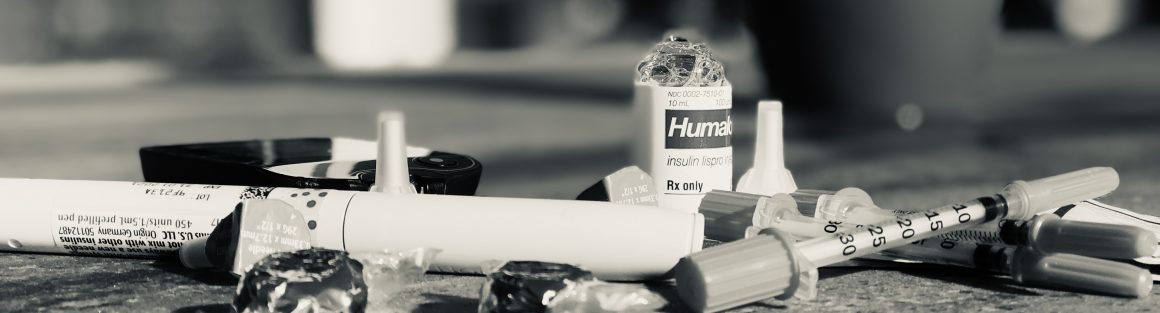
Blog Feed

Absolute vs. Relative Insulin Deficiency

There are several things that distinguish Type 1 and Type 2 diabetes. One of them is how much insulin is present/available for use in the body of the person with diabetes.

A relative insulin deficiency implies that there is an availability of insulin. In other words, insulin is still being secreted, but the thing is – the body isn’t making enough insulin to keep up with its own demands for glucose regulation.

Absolute insulin deficiency implies that insulin is essentially absent. In some cases there is a tiny, tiny amount still produced, but not in enough quantity to maintain glucose well enough (in cases of T1 diagnosis when there is still this small amount being secreted, it is not enough to sustain life). In those that are prone to absolute insulin deficiency (T1’s) but that still produce that tiny amount, they are likely in the “honeymoon” phase of disease and that small amount will soon cease to exist.

Okay. So. Relative = some insulin production. Absolute= no insulin production. 

So, what does this matter? What’s the practical application of this topic?

  1. Having some insulin production means that glucose will still be mediated, at least in part, by natural processes in the body (this is a good thing!).
  2. Any amount of endogenous (made by the body) insulin production will make sudden and drastic glucose variations less in occurrence and less in severity. The more endogenous insulin there is, the less dramatic the glucose variation. Conversely, the less the body produces, the greater and more drastic the glucose variation. 

T1DM is almost always characterized by an absolute insulin deficiency. The time in which there may not yet be complete loss of insulin secretion is early on – at and just after diagnosis. It doesn’t always happen, but it happens often enough for it to have been given a name – The Honeymoon Phase. This period of time is as deceptive as it sounds; your body is helping you along a little bit with some insulin production, but pretty soon it’s going to be completely gone and you will soon be 100% (exogenous) insulin dependent. This will likely result in more drastic glucose variations. Why the abrupt loss of insulin secretion? In Type 1 the body undergoes an internal attack (we often refer to this as an autoimmune attack), whereby the body destroys the cells that produce insulin (the beta cells). Beta cell destruction is permanent; these things don’t magically reproduce the way that other cells in the body do. We have always believed this attack to be abrupt, out of nowhere so to speak. New research is showing that Type 1 diabetes is actually detectable much sooner than has historically thought to be. However, by time the disease progression meets current diagnostic standards, the majority of beta cells are gone. What is the implication here? This absolute insulin deficiency makes glucose regulation very, very difficult. In fact, at times, management is impossible. There is no way for insulin from outside of the body (coming from humans and animals) to mimic what the body does on its’ own. This deficiency is hard to chase. To illustrate – when a non-diabetic eats a piece of cake, their blood sugar slowly spikes and almost immediately comes down to a normal level. Despite best efforts (pre bolus, exercise, bolusing more for a high glycemic food), in a T1, efforts to inject insulin from the outside will rarely match that in which the body would have done naturally. In this case, the blood glucose would likely spike and stay high for an extended (and uncomfortable) amount of it. It’s not yet a perfect science. 

Type 2 Diabetes is characterized by a relative loss of insulin. As mentioned, there is still glucose dysregulation with relative insulin loss, but theoretically, it is “easier” to manage than an absolute loss of insulin. I recognize that perspective is everything. In no way am I attempting to downsize the immense impact of Type 2 Diabetes. I use the word “easy” in as scientifically a way as possible. My intention is to convey that, scientifically, we know that the more insulin that the body is using from its own self, the more well regulated glucose is. It is a fact. A relative insulin loss is most often accompanied by insulin resistance. The insulin loss is a true loss of insulin making capability; if the body is making 75% of the insulin that it used to, it will always be 75% or less; you don’t gain that back. But (big but), because relative insulin loss is very often accompanied by insulin resistance, the insulin loss appears more potent. Insulin resistance refers to the body’s inability to use the insulin that it does make efficiently. This is usually due to excess adipose tissue i.e. fat. The most amazing news is – while loss of insulin secretion is irreversible, insulin resistance is reversible. Insulin resistance can be overcome by weight loss. With insulin resistance, the body is not using the insulin it is making appropriately because there’s too much fat; when fat is lost, the insulin that is still being made becomes much more effective. This is the mechanism whereby many people with T2 are able to improve glucose control and reduce medication simply by weight loss. 

This is sort of a big topic. Foundational to understand diabetes, if you will. 

Cheers!
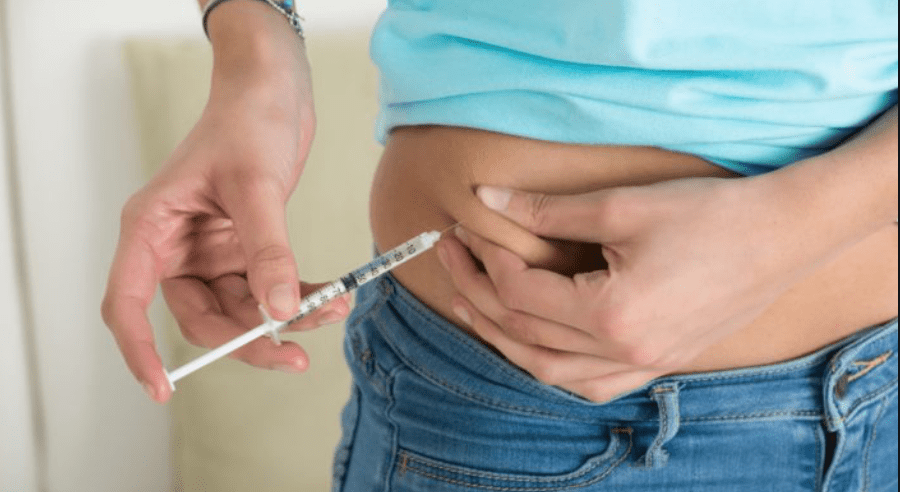
Diabesties

Diabesties. Not to be confused with diabetes. Dia-besties. Friends that (both) have diabetes. 

Around a decade ago my husband said to me, “Why don’t you get some friends that have diabetes?” Odd as it sounds, he was actually being incredibly thoughtful. More so, he was giving me the best piece of advice about how to cope with my diabetes – this doesn’t get prescribed at the Endo office. 

Diabetes is an ugly disease. We have tons of evidence to show that it has the tendency to isolate those that have it. Diabetes is isolating primarily because it’s a mentally consuming disease and has the tendency to make the person with the disease feel different. In general, tons of Americans have diabetes, primarily Type 2. Only 5-10% of that population have Type 1 Diabetes. This is an important differentiation. While Type 2 and Type 1 are both “diabetes”, they have significantly different manifestations. Furthermore, the  manifestation of the disease in the body is different. Does it all come down to a pancreas that sucks? Absolutely. I guess what I’m trying to get at here are the concepts of absolute insulin deficiency and relative insulin deficiency. These are important terms, and I can cover them in a separate, more technical/science-y post in the future. I’m mentioning it here, because how these two pathways play out (absolute versus relative) has a big impact on the quality of life of the person with diabetes.

People with T1 have a measurably harder time achieving glucose control than their T2 counterparts. Their sugar is what we consider to be labile, in that every little thing (and I mean every little thing) affects the glucose level. Ok, so what am I getting at, and how is this related to above point? Type 1 requires an immense amount of attention to control glucose (when I say control, I’m talking about getting glucose into target range). Because of the lability of the blood sugar, the person with T1 spends a lot of time in their head strategizing. That said… this is a “struggle” (not trying to sound dramatic, hence the quotes), because it’s a process that is unseen. Invisible, if you will. Only to the careful observer will they notice the T1 in deep thought… watch someone with T1 stare at their insulin pump at a restaurant; they’re likely starring due to an array of mathematical equations, cause and effect analysis and straight up guessing that’s going down in their brain. 

Speaking to Type 2, the relative loss of insulin is why it’s “easier” to control glucose and why glucose is not so labile and easily-impacted. In no way am I implying that Type 2 is an easy disease; please understand that I use the word easier only to make a comparison. This is not anecdotal, and I’m not making subjective statements here; we know this to be factual, however I still want the reader to understand my intentions, as well as my heart, in that I do fully understand how life-altering any diagnosis of diabetes can be. 

Glucose regulation in a person with T1 is different than glucose regulation in a person with T2. Persons with T1 count carbohydrates; persons with T2 almost never need to count carbs (despite what well-meaning dietitians say). Persons with T2 have quite a bit more liberty with their diet (not to be read as: Diet does not matter). Although the same external factors (primarily stress) affect glucose regulation in both disease pathways, the potency is significant in T1. It all has to do with that total loss of insulin secretion. 

So, imagine that you have T1 and you’re at a restaurant, about to eat.  Your goal is to calculate the precise amount of insulin that will land your blood sugar in the most perfect range two hours after the meal (perfection as the target being the first mistake made here). You are pissed, because your blood sugar is already out of range. You are about to eat a carb-y meal and you forgot to bolus early. You’re trying to decide if you should: 1) rapidly bolus and then go on a rage walk prior to your meal to get that insulin working on overdrive and to reduce that BG, 2) dash to the waiter and change your order to a chicken salad, or 3) say, fuck it,  and remain seated with the intention to eat said carb-y meal. Your lunch-mates want to know what the hell is wrong with you – why are you being so quiet and pissy looking? You want to explain it to them – having someone “get it” eliminates so much of the stress and loneliness – but, this crowd is diabetes-ignorant. You spend ten minutes explaining, and you get some empathetic looks and then everyone starts in on their meals, already having forgot what you’ve just said and wholly underestimating the impact of what you’re going through (not their fault, by the way). Now, picture this instead. One of your meal-mates is a T1. You look over at her and say, “I’m 250 and I can’t decide what to do.” She says, “Dude, that was me yesterday. Do you wanna do a couple laps?”

Making sense?

Okay, try this. Your friend tells you that she bought a new dress, but has no where to put her pump when she wears it. You bust out your leg wrap, created specifically for this scenario. Clutch. 

How about – You work in the ER. You’re in a code. You’re 50. You look at fellow T1. She drops everything (aside from compressions), is gone for approximately 30 seconds, and has a juice box up to your mouth. In no other world would this happen. 

Until my husband told me to get some diabetic friends, I didn’t have this avenue of outlet in my life. At the time he made this comment, I was grappling with some serious anger issues as a result of fear that I had about diabetes destroying my life. I was have difficulty navigating the emotions that would arise when my blood sugar would rise, experiencing rapid mood shifts  as well as rage and anger issues. These issues absolutely needed to be addressed on a deeper level (and they were), but my husband recognized that it might take the edge off if I had a friend or two that “got it”. 

I catapulted myself into getting involved. I got involved in a yearly conference that some endocrinologists in San Diego host. I already had one coworker that had diabetes and had extended herself on more than one occasion; because I was a complete jerk and didn’t recognize my need for her friendship in my life, I rejected her each time. Until I didn’t. And then she welcomed me with open arms. This friendship made way for other friendships. And that segued into having a more open mind, in both private and professional arenas, about seeking out and investing in people that had diabetes. It was a game changer. 

So, if you’re newly diagnosed, or not, and feeling isolated: #1 – that is such a natural feeling, and it’s real, and I see you; #2 – Put yourself out there. You will not regret it. 

Can people that don’t have type one “get it”? Absolutely! My husband is a perfect example. He is so un-embarrassed and super supportive of everything that has to do with diabetes. He takes what I say at face value. With his continued exposure, he grows more and more understanding. I also have some AMAZING friends. I cannot think of one non-type one friend that wouldn’t go to the end of the earth for a box of juice or piece of bread, that wouldn’t balk at me asking to go to a different restaurant, that would not bat an eye at me injecting in public. There is no “but” coming here. They are just wonderful and impressively understanding human beings. 

Eye-a-Betes

What brought me back to blogging in 2022 was my annual diabetic eye exam. Interestingly – today, what brought me back to blogging is my annual diabetic eye exam.

I just finished re-reading my post from September of 2022. I’m a little impressed at how composed I seem in my writing. At the time, I was so pissed off and so worried about the health of my eyes. Last year when I left the optometrists’ office, I was devastated. I felt defeated, too. I felt, well, scared. I don’t feel that way right now.

This years’ eye exam was two weeks ago, and she told me that my eyes looked “about the same” as last year. As I mentioned in my previous post about eye exams, this feels like such a subjective statement. She has images from the year prior that she was comparing my eyes to. She also is not the optometrist that did my exam last year. I take all of this with a grain of salt, and I pull back to a big-picture view and find gratitude that the health of my eyes has not worsened.

This year I don’t feel so downtrodden over the results. Surprisingly, I didn’t experience anxiety going into the exam, and shortly after leaving, the findings kind of floated out of my mind. This is probably because I was driving on the freeway with dilated pupils, gripping the steering wheel, not going the speed of traffic and praying I’d find my way home.

I’ve tried to not put too much emphasis on the minor decline in my eyesight. I am trying to remind myself that, at 36, I’m pretty damn healthy. I have also tried to come to terms with the fact that diabetes is a progressive disease. The optometrist told me that most people with well controlled diabetes start to see signs of retinopathy at about the ten year mark. I haven’t fact checked her, but I’m taking what she said as truth, and it makes me feel pretty proud of myself. All things considered, I’m winning at eye health. I also have found that humor helps me to cope with the progressive nature of the disease. I told two of my coworkers about my exam, and within about ten minutes, the two of them were cracking jokes at my “eye-a-betes”. It makes me chuckle even now.

I think my take home message this go round is just that – diabetes is progressive. With the most perfect A1c and time in range, with rare hypoglycemia, with an excellent diet, with consistent and varied exercise, with adequate sleep, with management of diabetes related anxiety – you are still going to see effects of diabetes. Clinically speaking, it’s a progressive disease. This is how I think of it: a person without diabetes runs an A1c of 5.7% or less. Those of us with the betes, they want us at 7% or less. So, that’s a 1.3% difference in A1c, which is pretty significant. So, even though the science tells us that, for those of us with diabetes, it’s not necessarily better or safer to run at 5.7% or less (the risk of and adverse effects of hypoglycemia are the reason here), we are still running a higher risk of complications because our blood sugar isn’t low enough, even though it’s right where it needs to be. If that makes any sense at all. Our blood sugar still just isn’t that of a non-diabetic. That’s how I rationalize and become comfortable with diabetes as a progressive disease. Type one and type two are really similar here in how they progress and manifest in the body.

I’m getting older; every year that passes, that’s another year with diabetes. All things considered, I’m on the right track to living a long and healthy life. Today, for me, that’s enough.

World Diabetes Day, revisited.

Today is a special day. It forces me to reflect on the life I have lived, and it reminds me how “lucky” I am have to have diabetes. I did not have time to prepare any new content, so I am reposting from WDD in 2019.

November is Diabetes Awareness Month, and today, November 14th, is World Diabetes Day (WDD). So, why all the fuss? It seems there’s a holiday for everything now-a-days…National Milk Day, Kiss a Ginger Day, National Selfie Day (WTF, get a life), National Inner Beauty Day, National Cheese Day (okay, this is one I can get behind)… there is a day for virtually everything, so I get why it might be hard to take WDD seriously. 

WDD was around before making everything into a holiday was trendy. WDD was established in 1991 by the International Diabetes Federation and the WHO (World Health Organization). Okay, so why November 14th? This day marks the birth date of Frederick Banting, who is one of the two gentleman that discovered insulin back in the 1920’s!

Before insulin was around, a type one diabetes diagnosis was a terminal diagnosis. People got sick, went into DKA and died. That was it. There’s this classic black and white photo of one of the first children treated with insulin; he is grossly malnourished, reportedly in DKA and on deaths’ door; he received insulin, and fast forward to a few months later – he was a completely different looking kid – healthy and plump. 

People, including myself, use the phrase “I couldn’t live without (insert object/person/activity)” so flippantly; most of the time when we use this phrase, we truthfully can live without it. It’s different here – I would not be alive without insulin. I hate saying it, and I hate writing it. It is one of the scariest things for me to think about. My life is dependent on a medication, and this dependence is such a challenge to my ego and to my incessant need for control. I often think about natural disasters, being stranded, insulin pump failure, closed pharmacies and the like; anything that threatens my ability to have access to insulin is terrifying and threatens my sanity. 

Fears and egos aside…how blessed and lucky am I? To be lucky enough to have a refrigerator full of Humalog vials. To live in a time when there is not just one option for insulin treatment, but many. To imagine that insulin has been around for less than 100 years is actually unimaginable to me. 

Mr. Frederick Banting and Mr. Charles Best – I owe you my life. 

Cheers.

Diabetes Myth Busters.

People with diabetes cannot eat sugar. Not only is this not supported in the science, I have yet to meet someone that “cannot have sugar”, because they have diabetes. Part of the reason why this belief is frustrating is because it lacks recognition of the fact that most foods have sugar in them. The better statement here would be that, people with diabetes are required to monitor their sugar intake and consider alternatives. Blood glucose levels are impacted primarily by carbohydrate ingestion; glucose/sugar is a type of carbohydrate (this is why it is indented and not bold on the nutrition label). It is important to aim for complex carbohydrates rather than simple carbohydrates in terms of glucose control. Yes, an ice cream sundae is a poor choice for how it will spike blood sugar, but it is not disallowed, nor will an occasional sweet treat hurt someone. Note use of the word occasional

People with diabetes are unhealthy. This can be very true, but is not true enough to be used as a blanket statement. I am going to use myself as an example here. I have had diabetes for 21 years, and I’ve often reflected on the status of my health as a result of my diabetes diagnosis. My guesstimate is that I have led a quite healthy life because of my diabetes. Not only was I a healthy teenager when I was diagnosed with diabetes, I became a healthy adult living with diabetes. I was motivated early on to eat well, exercise regularly and ascertain care for the management and prevention of complications. I would argue that I might be less health conscious were it not for my diagnosis. While too many individuals with diabetes are not caring for their bodies, the diagnosis can be extremely motivating for others. For those of us working in the hospital setting, it can be easy to fall into the trap of this myth, but there are truly many people thriving with diabetes. 

As long as the food is “healthy”, people with diabetes can eat as much as they want. “Healthy” is open to interpretation. But, I will assume we have an agreed upon interpretation of the word. The goal of the diabetes diet (which is not a diet; rather, it is a lifestyle) is moderation. Moderation, moderation, moderation. Glucose levels are directly impacted by carbohydrates; to a lesser degree they are impacted by fat content, protein content and fiber. Attention to the amount and type of carbohydrate is key. For example, fruits provide a tremendous amount of nutrients, but they still cannot be taken in in large quantities. Someone with diabetes should not eat four cups of berries with the expectation that their blood glucose levels won’t be impacted. The same concept can be applied to many “healthy” foods.  

Eating too much sugar is the primary cause of diabetes. Of course this has a component of truth to it, however it is an unfair statement that reflects a gross misunderstanding of the complex disease that diabetes is. We have been researching diabetes for decades, and there still is not evidence to support that Type 1 is induced necessarily by any sort of lifestyle choice or habit. Type 2 diabetes is heavily influenced by genetics, which tells us that, even a healthy individual with a family history of Type 2 can be diagnosed with Type 2. Don’t get me wrong, the lifestyle components are huge; those that have a family history, eat unwell and are sedentary are most likely going to be diagnosed with diabetes earlier on in life than those that have a family history but are not sedentary and that eat well. 

People with diabetes cannot drink alcohol. I want to remind anyone reading that anything said here is not medical advice, and I am not giving anyone permission to do something or mandating that they not do something. People with diabetes can drink alcohol. The recommendations/limits for alcohol consumption for those with diabetes are about the same as the recommendations for the rest of the general population. People with diabetes can absolutely enjoy a cocktail, glass of wine, beer or whatever it may be, but only with a careful approach. A lot of finding out what does and does not impact blood glucose is trial and error, unfortunately; additionally, results are always user-specific, meaning what works for one person with diabetes may not work well for the next (in terms of glucose management). Limiting sugary cocktails, sweet wines and heavy beers is helpful. Those with diabetes should always eat at/around the time of alcohol ingestion; this has to do with how the liver is impacted in diabetes and how it processes alcohol. The better statement here would be that, People with diabetes can have alcohol, but alcohol use requires a more careful and thoughtful approach and a fair amount of planning. 

Diabetes can be cured or reversed. While I wish this were true, it simply isn’t. Those that promote this idea are usually doing so in regards to Type 2. Some incorrectly believe that if the A1c gets below 6.5% after the diagnosis, diabetes then once again ceases to exist. This is incorrect. The general rule of thumb is that once your A1c is 6.5% or greater, you not only have diabetes, but you always have diabetes; you might manage your numbers so tightly that the A1c lessens, however the diagnosis remains. “Well managed” diabetes is a quite different concept than being cured or reversing the diagnosis. 

Retinopathy.

It’s fairly obvious, but there is a lot of responsibility that comes with a diabetes diagnosis. I wouldn’t be sure of where to start with naming all the things – doctors appointments, prescriptions, insurance, diet, always being “on”. Specific to this entry though, taking care of all of your organs – not just your pancreas – is one of those things that has always been a priority for me. Diabetes is not an isolated disease; what I mean is that it isn’t specific to just one part of your body the way that some illnesses or injuries are. Diabetes affects every organ. The pancreas is responsible for the malfunction of insulin production, but to focus solely on the pancreas when treating or managing diabetes is a mistake. In healthcare, endocrinologists partner with podiatrists, nephrologists, cardiologists, ophthalmologists and optometrists, dentists, weight loss specialists, dietitians and psychologists.

I’m grateful that from an early age I understood that diabetes was a multi-organ disease. As a child I didn’t attend out of the ordinary classes that would have taught me the importance of this, nor was I especially gifted or interested in the human body when I was diagnosed at 14. And, it’s certain that when I was first diagnosed, I didn’t immediately understood that this disease would affect my entire body, but I understood enough to take it seriously. I’m so grateful for this.

In therapy several years ago, the diabetes behaviorist I was working with helped me to believe (which is different from helped me to learn) that if I took care of my blood sugars, I was, in turn, also taking care of all of the organs that might be affected by poorly managed diabetes. When I first started seeing this psychologist, the thing I was most fearful of was renal failure; I often catastrophized in my head about becoming dialysis dependent. I think this fear was informed by the work that I was doing at the time, as I frequently saw men and women in their 30’s on hemodialysis as a result of failing to tightly manage their type one diabetes. Although I could have easily taught anyone in my shoes with my level of diabetes control that the chances of dialysis “happening” to them was slim to none, I simply couldn’t believe it for myself. This psychologist showed me the literature; I read it, and it changed my head. He helped me to translate my knowledge into something that I could also apply to myself; I learned to be less scared of diabetes complications. This was primarily due to the fact that persons with well-controlled diabetes (this is a phrase that encompasses many things; for the sake of argument, the most commonly accepted definition of well controlled diabetes is an A1c of less than 7% or a time in range of greater than 70%) endured complications of diabetes far less often than those with poorly controlled diabetes. 

Fast forward to now. Although the aforementioned fear has remained mostly absent and less controlling of my mind, I’ve still been mindful to take good care of myself. Last week I went for my yearly diabetic eye exam. Despite what that suggests, this is a pretty run-of-the-mill exam. If I have understood correctly, most everyone gets the same exam and undergoes the same testing. Specifically, the name of the exam – a diabetic eye exam – simply implies that the practitioner is looking for signs of diabetes in the eyes. That looks like new blood vessel formation or hemorrhaging. I have had diabetes for 21 years, and I’m proud to say that I have consistently shown zero signs of diabetes in my eyes. It took me by immense surprise when the optometrist sat back into his chair and casually stated, “So, I see two small spots. One in each eye”. Ah… excuse me? I swore I didn’t hear him right, so he repeated himself and the words he spoke slowly started to take on meaning in my mind – I see two small spots… Just the year prior, you would not have known I had diabetes. Now… you would. I have to check myself here and ensure I’m not providing false information; the very minor amount of retinopathy that he was seeing is common also in persons without diabetes. Obviously there are many ailments of the eyes. Minor retinopathy can occur for a variety of other reasons, but because I have known diabetes, new blood vessel formation is automatically attributed to the diabetes. And that’s exactly what he saw – “minor” new blood vessel formation. In this case, I feel like the word minor is dangerously subjective… To be fair, the optometrist also stated that it is quite likely that, had he examined me the week prior or the week after, the “spots” might be absent. I had a difficult time understanding this at first, however I have concluded that that was his way of defining how minimal the damage was.

The result of the exam has created trepidation for sure. I have thought it through, I have felt threatened and I have felt angry. I have felt like I understood it from a scientific standpoint, but from the patient perspective, all I can think is, what the hell? 

I did a literature search, and it turns out this happens to a lot of people. The way that I have tried to understand it is this – diabetes is and has always been a progressive disease. I tell many of my type two patients that they will eventually end up on medication even if they are currently diet controlled. This is a scientific fact – type two diabetes is a progressive disease, regardless of level of control. I look at type one and retinopathy to have this same cause and effect relationship; and I’m hoping that’s accurate. 

For those interested, I have two pieces of advice. 

Control your blood sugar, and control your blood pressure. Time and time again – article after article, study after study – the results tell those of us with diabetes that we have got to focus on these two things. Depending on your diabetes and other co-existing conditions, we typically want your sugars no higher than 180 (that would be after a meal, encompassing the post-prandial spike) and no lower than 70. This is a broad range; it’s a tighter range for pregnant woman, a wider range for those with renal disease, etc. The same can be said about blood pressure, but usually we want it no higher than 130/90.

Optometrist versus ophthalmologist. I am not an expert in either field. I only know that an ophthalmologist is a doctor; they have been through medical school. An optometrist has not. I currently see an optometrist. Because the health of my eyes has been relatively well for many years, I am comfortable. Should my eye disease advance, I will not hesitate to consult an ophthalmologist.

That’s all for now, guys. 

Cheers. 

No Shame in this Girls’ Game.

A Letter to Readers
I was born on June 25, 1954, and in 1961, when I was seven years old, I was diagnosed with juvenile diabetes. To take care of myself, I had to do things other kids did not. Sometimes I felt different. When kids saw me giving myself a needle shot of insulin, my medicine, I knew they were curious about what I was doing. But they never asked me, my parents, or my teachers about it. I also often felt they thought I was doing something wrong. 
As I grew older, I realized that there were many ways to be, that I was not alone in feeling different. I wanted to write this book to explain how differences make us stronger in a good way. 
Like my experiences with diabetes, the challenges some kids face can be very hard and sometimes frustrating. Some of us have conditions that require medicines or tools to manage things that other kids never have to deal with. Some of our difficulties are not even visible to others, but they make us feel different, and we may do things that others don’t understand. Yet all of these challenges often give us strength that others can’t imagine.
I hope by seeing yourself or your friends in this story, you will understand that we’re all different, and you will find that notion comforting and empowering. I hope too that you will recognize what we have in common. Instead of fearing our differences or ignoring them, we can shed light on them and explore them together. If you ever wonder why someone is doing something different from other kids, Just Ask. 
– Sonia Sotomayor

When my friend Stephanie sent this excerpt to me, I felt…. Understood. And inspired. The excerpt came from a reading assignment assigned to one of her sons’. I immediately wished that acceptance like this had been taught when I was a child. The narrative specifically inspired me to write about how important acceptance is in addition to asking questions. I know a lot of people may believe that asking questions is faux pas. But it is far better than staring and living in ignorance.

Several statements resonate with me when I read this. 
> To take care of myself, I had to do things other kids did not….Sometimes I felt different. Gosh, if the last line doesn’t summarize puberty and adolescence in general, I don’t know what does. Adding a chronic illness or any sort of “difference” to a childs’ life is hard. Luckily for me, I already felt super awkward in my own skin when I was diagnosed at age 14 – this just felt like another layer of oddness. I actually didn’t understand (at that time) that it was different that I was feeling.
> I also often felt they thought I was doing something wrong. This resonated with me almost more than anything. As an adult, I look back, and I am sad for my teenage self. My teenage years were centered around finding a bathroom to check my blood sugar and take my injections in. I remember the immense pressure I felt about potentially making others’ uncomfortable; so much so that I went out of my way constantly, thus making myself very uncomfortable. I wish someone had told me it was okay to do all of that in public. I wish someone had given me the courage to challenge others by showing off my difference. 
> Some of our difficulties are not even visible to others, but they make us feel different, and we may do things that others don’t understand. Yet all of these challenges often give us strength that others can’t imagine.
> Just Ask. This is the best piece of advice from the above narrative. If you have a question, just ask. Don’t stare. Don’t talk shit. Don’t Google it. Just ask me. I was at a water park a few years ago standing in line to go down a slide; two little girls in front of us had been staring at my insulin pump for what felt like decades. One of them finally faced me and said, “what’s that?” This little girl had the right idea – if you aren’t sure, just ask. 

The part of me that this narrative brings up more than anything is how much I used to hide my disease from the world. That’s how I know I felt different when I was a kid, hiding everything. This is also the part that hurts the most. I can still sense the negative energy that comes from hiding who I was. I would never wish upon a person the desire or pressure to hide who they are. As an adult, my diabetes is out, loud and proud. If you don’t like it, look the other way. If you’ve got something to say about it, close your mouth and walk away. I inject in public, I change my pod in public, I treat lows in public, I talk about my diabetes. It is no longer something that makes me feel uncomfortable. And I’m no longer worried about making others uncomfortable because of my disease. 

I am thrilled that we are teaching children to embrace difference. There’s, of course, a fine line, but that’s a political discussion we won’t get into. There are differences all around us, and my heart is full knowing that we are encouraging children to be unashamed of their illness or difference.

Cheers,
Kel 

Type One & Pregnancy.

This post is on type one diabetes and pregnancy. Please keep in mind this is not gestational diabetes. This is a different ball game. 

I’ve been wanting to write this post for quite some time now, but continue to find myself unsure of exactly what I want to share. My husband and I knew that our pregnancy would be especially difficult due to the type one diabetes. Truthfully though, we had no idea what was in store.

This is my attempt at sharing a few pearls of wisdom I’ve gained thus far…

  1. IF YOU HAVE TYPE ONE DIABETES, DO NOT HAVE AN UNPLANNED PREGNANCY. Easy to say, also easy to do. I hear many women say they didn’t “mean” to get pregnant, yet they were not practicing abstinence or any form of birth control. Be responsible with your body. If medication does not agree with you or you are scared of the risk, practice other forms of birth control; there are a lot of options out there (I am sensitive to the fact that there are reasons for unplanned pregnancies, and obviously my advice here may not apply to those special and very sensitive circumstances). Here’s why this is important: the research tells us that not only is blood glucose control important during pregnancy, but tight glucose control is imperative prior to pregnancy. Pre-pregnancy glucose control can not only be predictive of the type of control you’ll have during pregnancy, but it also prepares the woman’s body to bear a child. Just as chronic high glucose destroys our organs, it will destroy our baby as well. Also, like me, most women do not learn they are pregnant until several weeks (sometimes months) into their pregnancy. The first trimester is one of the most crucial to that little baby’s development, so if we’re in good control prior to becoming pregnant or being aware that we are pregnant, we are already setting Baby up for health and success. 
  1. LEAN HEAVILY ON YOUR SUPPORT SYSTEM. Don’t try to do this shit alone. I didn’t know how much I would need my friends during this time. Personally, I instantly felt isolated when I learned I was pregnant; I can’t explain well the reason for this, but I felt lonely. Once I was able to get outside of my head on this, I started drawing my friends more near by opening up to them. This, in turn, helped them to know that I needed them in a different (or additional) way than I did before. During this time, I have also found it incredibly helpful to lean into the friendships with women that have children. Even more so – lean hard into the friendships with women that have had a baby and that also have T1. 
  1. TALK WITH YOUR PARTNER. By far, my husband is my biggest supporter and cheerleader. But he also cannot read my mind. Having been together for six years, he’s a bit of a type one expert, so he’s definitely got the hang of what the type one life is about. However, having him learn about T1 and pregnancy with me has helped us both support Baby B’s healthy development. Last night we ordered Mexican food, which I was pretty hesitant about. I don’t eat from the taco shop on a regular basis as it is, so this was entirely out of the ordinary. I thought I could manage my post-prandial sugars (these are, by far, the most important blood glucose targets during pregnancy), but the type of food I ate got the best of me. My one hour post-prandial was heavily out of target, and as soon as I communicated this to Danny, he instantly agreed that we won’t eat like this again until after Baby B is here. Those glucose spikes are 100% unsafe for the baby. 
  1. THE PRE-BOLUS IS YOUR BEST FRIEND. I’m sure you remember the advice you got from your doctor or diabetes educator at diagnosis: take your meal time insulin 15 minutes before you start your meal. Eventually, the majority of us get away from this habit; if you’re anything like me, you probably bolus when you sit down to eat, leaving no time in between insulin administration and when you take your first bite. In pregnancy, keeping this same habit will destroy your one-hour post prandials (which, for reference, they want at 140mg/dL or below). Pre-bolusing takes a ton of planning and forethought, but it is worth it. See #3, and gain their buy-in on the pre-bolus for when they are the one preparing the meal. I can’t tell you how many times I’ve gotten the “take your insulin” or “dinner will be ready in 30 minutes” text on my way home from work. This is not medical advice, but my magical number is 15-20 minutes before the start of my meal. 
  1. BE GENTLE WITH YOURSELF. Verbatim from my therapists’ lips. It is so easy to beat yourself up during these nine months. For me, the guilt I feel when I have an out of range blood sugar is staggering. It is too easy to get wrapped up in this warped mindset that any bad outcome is going to be “my fault”. If you start to feel this way, ask yourself a few questions: Did you correctly count your carbs? Did you pre-bolus? Did you do everything in your power to set yourself up for success, but you happen to have a bad blood sugar outcome? Instead of feeling guilty, assess your approach. If you did everything you could, then correct your blood sugar and move on; don’t allow yourself to wade in the guilt-pool any longer. If you can identify a mistake you made, make a mental note to do it differently next time, and move on. 
  1. WEIGH YOUR FOOD. Another back-to-basics concept. I eat so many fruits and vegetables; over the years, I have gotten used to counting the carbs in these items by eyeing them. For the most part, I’m pretty damn good at this. But my guesstimates aren’t good enough for Baby B; by weighing my food, I have a precise carb count, which leads to on-target after meal sugars. I treated myself to a new scale from Amazon for 20 bucks! https://www.amazon.com/gp/product/B0113UZJE2/ref=ppx_yo_dt_b_asin_title_o01_s00?ie=UTF8&psc=1

This will be an evolving post. I’m only 18 weeks into this. I hope this helps someone somewhere 😉

Cheers,

Kelly 

Diabetes & Illness

In light of what’s happening in our world, I figured this is a perfect time to do a post on diabetes and illness. This is not a post on COVID-19, but this post was inspired by COVID-19 and our nations’ current state. 

In general, there is a lack of understanding on the origins of diabetes, specifically type one (T1). While research is under-way regarding type one diabetes – its’ onset, a cure, prevention, genetic sequencing, stem cell use and the like – we do have a pretty good idea of what happens to the body in the onset of type one diabetes. It is widely believed that T1 is caused more so by environmental factors than genetic factors. The genetic link in type two diabetes is incredibly strong, however a physician did once tell me that T1 must have a genetic component, even if it stems back decades. It is believed that T1 is caused by a virus. This virus creeps into the body and essentially attacks the beta cells of the immune system. Beta cells are these teeny tiny cells within our pancreas that produce insulin; it is incredible that cells within this organ are responsible for something so impactful as hormone production (insulin is a hormone). To me, the pathophysiology is easy to understand, however the impact of the onset of a life-changing, life-taking, life-long disease is so incredibly burdensome and complicated.

As a result of beta cell degradation and eventual death (sometimes there are a few beta cells leftover still making insulin (not enough insulin to sustain life); this period is referred to as the “honeymoon period”), the individual now has a disease that has compromised the immune system and forever put them at a slightly higher risk than everyone else of getting sick and staying sick for longer. 

When you couple the attack on the immune system with hyperglycemia, you have a favorable platform for illness – viral and bacterial. We teach patients that germs love sugar. This concept might be hard to understand, so let’s break it down. Most of us learned in high school biology that the body must remain in homeostasis in order to function exactly as designed; this goes for every body process – blood pressure, acid-base balance, fluid volume, temperature, so on and so forth; blood sugar is no exception. Hyperglycemia (elevated blood sugar) creates a breeding ground for infection; I kind of think of it in terms of the blood not being as filtered and “clean” as it should be. In a state of hyperglycemia, we see decreased organ function. Think about what high blood sugar actually means – there is too much sugar in the blood, and blood flow is compromised. When blood flow is compromised to any organ (heart, brain, kidney, etc), we have decreased efficacy. This helps to explain why people with uncontrolled blood sugars are prone to strokes, kidney disease, neuropathy…

In general, when people with diabetes get sick, they get sick for longer. People with diabetes typically require extended use of medications used for treatment; for example, if I get a UTI, I am automatically prescribed a longer duration of antibiotics than your average, non-diabetic, individual. With any illness, tightly controlled blood glucose is KEY to recovery; I cannot emphasize this enough. We’ve all encountered the patient with the foot wound he’s had for two years; most often, these patients cannot heal because they cannot or chose not to control their glucose levels. You can throw antibiotics at a wound all day, but without proper glucose control, healing is merely a dream.

So, what does this all mean? It means that people with diabetes (both type one and type two) need to be careful! We have no evidence to support that diabetes is a risk factor for COVID-19 (the disease is way too new to know a lot about), but we do know that those with hypertension or other cardiac disease, obesity and advanced age are at an increased risk of contracting COVID-19. Guess what, though? Most people with diabetes have cardiovascular risk factors or diagnoses. Take from that what you will… I’ve read and listened to a few endocrinologists speak recently about the COVID-19 pandemic and what it means for persons’ with diabetes; they all echo each other in that blood glucose control is paramount. 

So, a few tips for sick-days – how to prevent them and what to do when they occur (by the way, I hope I don’t have to remind you all of this – I am not a doctor. I am an RN and CDE, and yes, I have advanced knowledge on the topic, but this is not me giving you or anyone medical advice that should replace the directive of your physician.)

  • Have a written sick-day plan from your doctor. This means that you and your doctor have a conversation about what you should do when you become ill. The other items on this list will likely be included as part of your sick day plan. 
  • Glucose control. I’ve harped on this enough. If you don’t get it by now, you won’t ever. 
  • Ask your doctor how you are to adjust your medications when you’re ill. For me, I perform an automatic increase in my basal rate on my insulin pump, and I anticipate increased insulin usage until the illness has ceased. Don’t stop taking your insulin unless advised by your healthcare team. If you’re not on insulin, your provider may still have recommendations regarding the medications you are on when you become ill. 
  • Check your blood sugar more often, and call your doctor when your numbers are too high. “Too high” is a different value for everyone, so talk to your doctor about when you should be concerned. 
  • Stay hydrated. Hydration is important for obvious reasons, but water also helps to lower glucose in some situations. Water and sugar free fluids are recommended for hydration. 
  • Be mindful of the medications you are taking to treat your illness. Most cough syrups and cold and flu serums are chock full of sugar. Opt for the sugar-free or no-sugar-added versions, when possible. Talk to your doctor about whether or not these over the counters are even necessary. Steroids increase blood sugars immensely, especially when given intravenously. Antibiotics can also mess with your blood sugar (and your birth control, FYI). 
  • Don’t sit at home and hope you’ll get better if you have numerous risk factors and are getting worse. COVID-19 is a bit of a beast in this sense as the CDC wants you to stay home and seek care only when not improving at home. In all situations, a phone call to your doctor for advisement is warranted. Remember, you won’t heal as rapidly as others, and sometimes we can’t always kick a viral illness without a little support the way that other individuals can. 
  • Check for ketones if your blood sugar creeps beyond 250mg/dL. This can be an early sign that you are in diabetic ketoacidosis. 
  • Did I mention that tight glucose control is key to reducing your chances of getting sick in the first place?

That’s all for now, folks. 

Happy Social Distancing,

Kel 

The “Diabetes Diet”

It’s been a minute. Last post I talked about type 2 diabetes, and this week I feel compelled to expand a bit on the importance of diet. The diabetes prescription for diet should be viewed as a prescription for a healthy lifestyle for all – it isn’t specific to those of us with the disease. In fact, if Americans followed the very basics of the “diabetes diet”, we’d be a healthier nation.

I use the word “diet” with a little bit of resentment, but the reason I continue to use it is because it’s a term that most people are familiar with. It’s important to understand though that in order for a particular way of eating to become habit, it must become a lifestyle versus something that you adhere to for a short period of time. What’s crazy is the “diabetes diet” does not really exist. There are numerous proven eating styles that support healthy blood glucose goals in people with diabetes. If you ask a person with diabetes, I would venture to guess their version of the diabetes diet does not include a bunch of sugar-free crap. Contrary to what is served on the tray in the hospital, people with diabetes actually consume a fair amount of regular sugar, and most people that I encounter prefer the regular version of foods versus the sugar-free version, myself included.

So how exactly should one eat when they have diabetes? There are a few tips that I live by. Quick aside – I am not a dietitian, however I am a Certified Diabetes Educator, an RN and, most importantly, a person living with type one for almost 20 years. I have a tremendous amount of expertise on the relationship that food and diabetes share, and I consider myself a credible source. 

1. Moderation is key. You do not have to cut something out that you love. I never tell my patients they cannot have something. In the spirit of moderation, though, there are certain foods that should be consumed less often than others… moderation. One of the most common statements I hear from patients is that their sugary-beverage consumption is astronomical, but it isn’t something they want to give up. So, I tell them not to; if the person wants to improve their BG but still enjoy something they love, I encourage them to reduce their current consumption and build it in to their meal plan occasionally.

2. Portion control, portion control, portion control. This right here will dramatically improve BG’s as well as take the pounds off. I am a fan of The Plate Method, which is an old but tested and reliable way of creating a meal. The Plate Method essentially states that half the plate should be filled with veggies, a quarter filled with a protein and the last portion filled with a non-starchy carb. There are a ton of variations to this method, and I don’t think the measurements need to be super particular, but it’s an excellent guide. Portion control also includes not going back for seconds. If we’re all being really honest with ourselves, none of us need a second plate or portion, and we’re probably not actually physically hungry for it. Disclaimer: I myself am guilty of going back for seconds when I know full well that I do not need it. If this is something you struggle with, I encourage you to put your silverware down once the first plate is empty. Take a few deep breaths and give your stomach a few minutes to settle. Usually, our desire and salivation for a second portion is a few minutes ahead of the signal from our stomach to our brains that our stomachs are full. If you give it a few minutes, you’ll likely not feel as compelled to go for that second helping. 

3. Deprivation is not key. This is something I’m still struggling with, 20 years into this disease. I tend to live on the extreme version of “the diabetes diet” where I don’t really indulge. Ever. I can honestly live the rest of my life without a slice of birthday cake. But there are a few things that I really enjoy that I just don’t allow myself to have. The reason this can be dangerous is because deprivation oftentimes leads to binging. Oftentimes we will resist something for so long and, in a moment of weakness, we give in and overindulge. This isn’t a healthy way to operate, both physically and mentally. If we allow ourselves to give into a craving every once in a while (“every once in a while” = different measurement for everyone. See #1 above.), we are much less likely to binge and overindulge. 

There is not a one-size-fits all diet for those with diabetes. Mediterranean diet, low-carb, paleo, Whole 30 – they’re all great for different reasons. Personally, my eating style has a little of everything built into it. Some people do really well on low carb, but others do extremely well on high, complex-carb diets! For those that I teach, I encourage them to find their own style. Following the basic guidelines of moderation, portion control and avoidance of deprivation are essential. These three basic guidelines will also make an incredibly large impact on diabetes blood glucose control. Don’t make food complicated, and don’t make it expensive.

Food-discussions are amongst my favorite topics in the diabetes-arena. There are numerous other concepts that should be taken into consideration when attempting to achieve blood glucose control – calories, of course, fiber, fat, type of carbohydrate, etc. These topics can get pretty advanced, so I will likely cover each of them individually in future posts. For now, remember that eating well for diabetes does not have to be complicated. It doesn’t have to be hard, expensive or take a ton of effort. Good luck, and hit me up with questions. 


Cheers,

Kelly