A Letter to Readers
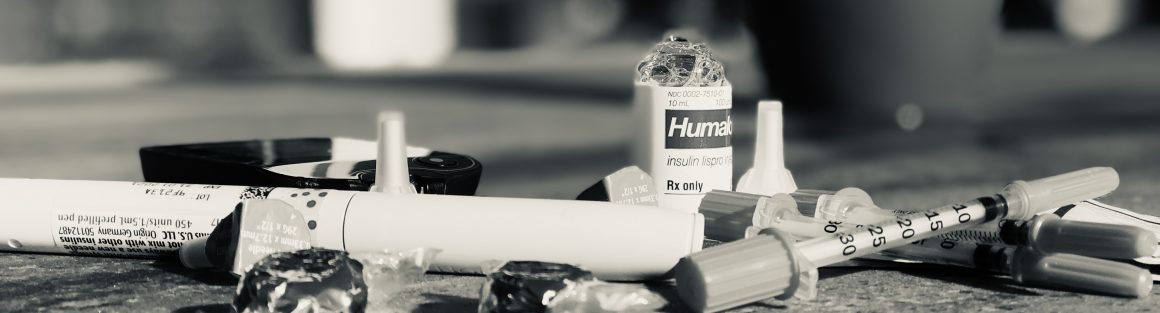
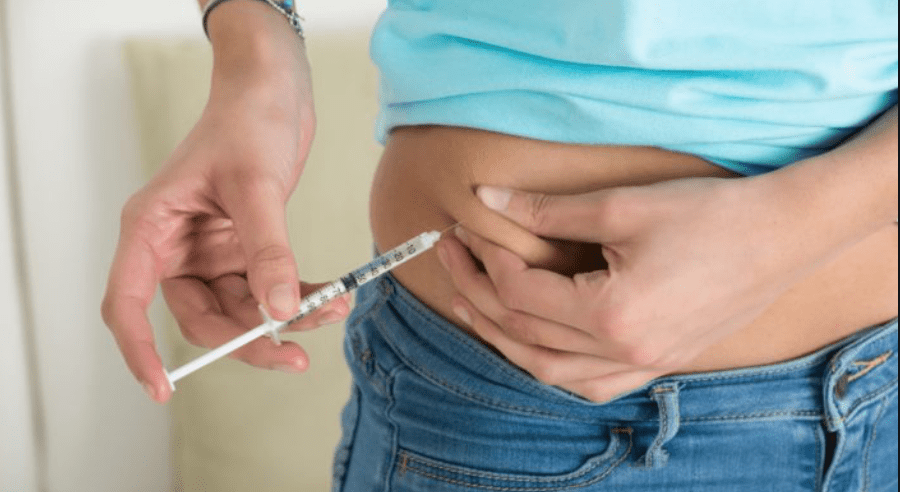
I was born on June 25, 1954, and in 1961, when I was seven years old, I was diagnosed with juvenile diabetes. To take care of myself, I had to do things other kids did not. Sometimes I felt different. When kids saw me giving myself a needle shot of insulin, my medicine, I knew they were curious about what I was doing. But they never asked me, my parents, or my teachers about it. I also often felt they thought I was doing something wrong.
As I grew older, I realized that there were many ways to be, that I was not alone in feeling different. I wanted to write this book to explain how differences make us stronger in a good way.
Like my experiences with diabetes, the challenges some kids face can be very hard and sometimes frustrating. Some of us have conditions that require medicines or tools to manage things that other kids never have to deal with. Some of our difficulties are not even visible to others, but they make us feel different, and we may do things that others don’t understand. Yet all of these challenges often give us strength that others can’t imagine.
I hope by seeing yourself or your friends in this story, you will understand that we’re all different, and you will find that notion comforting and empowering. I hope too that you will recognize what we have in common. Instead of fearing our differences or ignoring them, we can shed light on them and explore them together. If you ever wonder why someone is doing something different from other kids, Just Ask.
– Sonia Sotomayor
When my friend Stephanie sent this excerpt to me, I felt…. Understood. And inspired. The excerpt came from a reading assignment assigned to one of her sons’. I immediately wished that acceptance like this had been taught when I was a child. The narrative specifically inspired me to write about how important acceptance is in addition to asking questions. I know a lot of people may believe that asking questions is faux pas. But it is far better than staring and living in ignorance.
Several statements resonate with me when I read this.
> To take care of myself, I had to do things other kids did not….Sometimes I felt different. Gosh, if the last line doesn’t summarize puberty and adolescence in general, I don’t know what does. Adding a chronic illness or any sort of “difference” to a childs’ life is hard. Luckily for me, I already felt super awkward in my own skin when I was diagnosed at age 14 – this just felt like another layer of oddness. I actually didn’t understand (at that time) that it was different that I was feeling.
> I also often felt they thought I was doing something wrong. This resonated with me almost more than anything. As an adult, I look back, and I am sad for my teenage self. My teenage years were centered around finding a bathroom to check my blood sugar and take my injections in. I remember the immense pressure I felt about potentially making others’ uncomfortable; so much so that I went out of my way constantly, thus making myself very uncomfortable. I wish someone had told me it was okay to do all of that in public. I wish someone had given me the courage to challenge others by showing off my difference.
> Some of our difficulties are not even visible to others, but they make us feel different, and we may do things that others don’t understand. Yet all of these challenges often give us strength that others can’t imagine.
> Just Ask. This is the best piece of advice from the above narrative. If you have a question, just ask. Don’t stare. Don’t talk shit. Don’t Google it. Just ask me. I was at a water park a few years ago standing in line to go down a slide; two little girls in front of us had been staring at my insulin pump for what felt like decades. One of them finally faced me and said, “what’s that?” This little girl had the right idea – if you aren’t sure, just ask.
The part of me that this narrative brings up more than anything is how much I used to hide my disease from the world. That’s how I know I felt different when I was a kid, hiding everything. This is also the part that hurts the most. I can still sense the negative energy that comes from hiding who I was. I would never wish upon a person the desire or pressure to hide who they are. As an adult, my diabetes is out, loud and proud. If you don’t like it, look the other way. If you’ve got something to say about it, close your mouth and walk away. I inject in public, I change my pod in public, I treat lows in public, I talk about my diabetes. It is no longer something that makes me feel uncomfortable. And I’m no longer worried about making others uncomfortable because of my disease.
I am thrilled that we are teaching children to embrace difference. There’s, of course, a fine line, but that’s a political discussion we won’t get into. There are differences all around us, and my heart is full knowing that we are encouraging children to be unashamed of their illness or difference.
Cheers,
Kel
 Livin' That Type 1 Life
Diabetes does make you different! It gives you the opportunity that others may not have to help people with not just understanding the disease that they have, but also to help them deal with the public as well as being able to speak to the public just like you. I think you are phenomenal and are touching lives everywhere and not just people living with diabetes. It helps me who doesn’t have any kind of disease to understand other people with diabetes or any other disease. Thank you for rocking it Kelly!!! ❤
LikeLike